Trezor Login: A Complete Guide to Securely Setting Up and Managing Your Trezor Wallet
Introduction: The Need for Secure Cryptocurrency Storage
As cryptocurrencies gain widespread adoption, the security of digital assets becomes increasingly critical. Storing private keys, which control your cryptocurrency holdings, online or in software wallets exposes them to various risks, including hacks, malware, and phishing attacks. To safeguard your funds, many cryptocurrency holders choose to store their private keys offline using hardware wallets.
Trezor is one of the leading brands in the hardware wallet industry. Trezor hardware wallets, such as the Trezor One and Trezor Model T, are designed to securely store your private keys offline, keeping your assets safe from hackers. Whether you're a beginner or a seasoned crypto investor, Trezor offers one of the most user-friendly and secure ways to manage your cryptocurrencies.
This guide will walk you through the Trezor login process, explain how to set up your Trezor wallet, and show you how to use Trezor Suite, the official software for managing your cryptocurrency securely.
What is Trezor?
Trezor is a hardware wallet that provides a secure offline environment to store your cryptocurrency private keys. Unlike software wallets that are connected to the internet, a Trezor device never exposes your keys to potential online threats. Trezor offers advanced features like physical transaction confirmation, strong encryption, and easy recovery options, ensuring your funds remain safe even if your computer or smartphone is compromised.
Trezor devices support over 1,600 cryptocurrencies, including popular ones like Bitcoin (BTC), Ethereum (ETH), and Litecoin (LTC), among others. Whether you hold a single coin or multiple assets, Trezor ensures that your funds are stored securely, away from the dangers of the online world.
Why Choose Trezor?
1. Superior Security Features
Security is the cornerstone of any hardware wallet, and Trezor excels in this area. Your private keys are stored offline in a secure element (SE) chip, which means they are never exposed to the internet. Every transaction made with your Trezor device requires a physical confirmation on the device itself, providing additional protection against remote hacking and malware attacks. Even if your computer is compromised, your private keys remain safe on the device.
2. Wide Support for Cryptocurrencies
Trezor supports a vast range of cryptocurrencies. Whether you're holding Bitcoin, Ethereum, or any of the many altcoins and ERC-20 tokens, you can store them securely on your Trezor wallet. In total, Trezor supports over 1,600 cryptocurrencies, making it an excellent option for managing a diverse portfolio.
3. Trezor Suite: The Official Management App
Trezor Suite is the companion software for your Trezor hardware wallet. Available for Windows, macOS, and Linux, Trezor Suite allows you to manage your cryptocurrencies with ease. You can check your balances, send and receive funds, install apps for different cryptocurrencies, and more—all through a secure, user-friendly interface. Trezor Suite also integrates with other services like Coinify and Changelly, allowing you to buy and swap cryptocurrencies directly from the app.
4. Simple Setup and Use
While Trezor is designed with top-tier security in mind, it’s also built to be easy to use. Setting up your device involves straightforward steps, and the Trezor Suite software makes it easy to interact with your wallet. Whether you're new to crypto or an experienced user, Trezor offers a simple and secure way to store and manage your assets.
5. Backup and Recovery
One of the most valuable features of Trezor is its recovery options. If your device is lost, stolen, or damaged, you can restore your wallet using a 24-word recovery phrase. This ensures that you can always recover your funds as long as you keep this phrase secure.
Step-by-Step Guide to Trezor Login
Step 1: Unbox and Set Up Your Trezor Wallet
When you receive your Trezor hardware wallet, it will come with the following:
Trezor One or Trezor Model T hardware wallet.
USB cable for connecting your device to your computer or mobile device.
Recovery seed sheet for writing down your 24-word recovery phrase.
Instruction manual to help you through the setup process.
Before you begin the setup process, inspect the packaging to make sure it hasn’t been tampered with. Trezor uses tamper-evident packaging, which ensures that the device is authentic and has not been altered.
Step 2: Visit Trezor.io/start
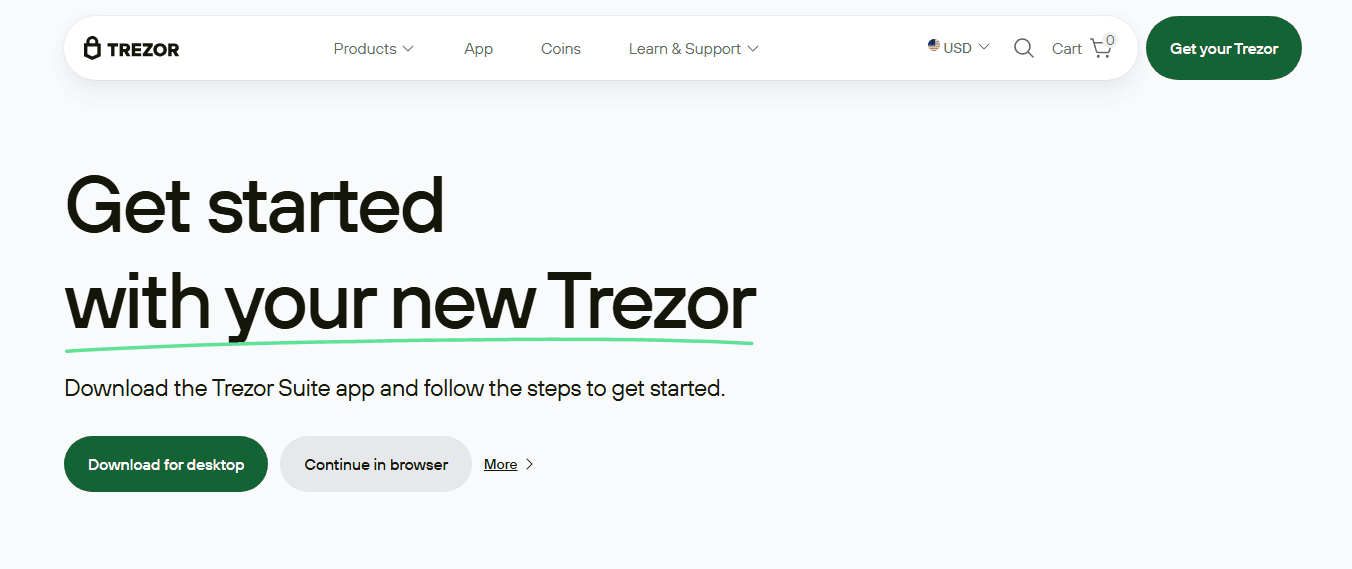
Go to Trezor.io/start: Open a web browser and go to Trezor.io/start, which is the official website to begin the setup process for your Trezor device.
Select Your Device: Choose your model—Trezor One or Trezor Model T—and the website will guide you through the setup process tailored to your device.
Download Trezor Suite: You will be prompted to download Trezor Suite, which is the software used to manage your Trezor wallet. Trezor Suite is available for Windows, macOS, and Linux.
Step 3: Install Trezor Suite
Download Trezor Suite: After selecting your operating system, click the appropriate download link to get Trezor Suite.
Install the Software: Open the downloaded file and follow the on-screen instructions to install Trezor Suite on your computer or mobile device.
Launch Trezor Suite: Once installed, launch Trezor Suite. The app will walk you through the setup process, starting with Trezor login.
Step 4: Initialize Your Trezor Device
Connect Your Trezor Device: Use the provided USB cable to connect your Trezor wallet to your computer. If you’re using a Trezor Model T, you can also connect via Bluetooth to your mobile device.
Power On Your Device: Once connected, your Trezor device will power up automatically. Follow the instructions on the screen of Trezor Suite to proceed with the setup.
Create Your PIN: You will be prompted to choose a PIN for your device. This PIN will be required every time you access your wallet or perform transactions. Make sure to choose a secure PIN that you can easily remember but others cannot guess.
Step 5: Generate and Confirm Your Recovery Seed
Write Down the Recovery Phrase: During the setup, Trezor will generate a 24-word recovery seed. This phrase is crucial for backing up your wallet and recovering your funds in case your device is lost or damaged. Write down the recovery phrase on the provided recovery sheet. Store this phrase in a safe place and never share it with anyone.
Confirm Your Recovery Seed: After writing down the recovery phrase, Trezor Suite will ask you to confirm it by selecting the words in the correct order on your device. This ensures that the recovery phrase is correctly recorded.
Store the Recovery Phrase Securely: Once confirmed, make sure to store your recovery seed in a secure, offline location, such as a safe or safety deposit box. Never store it digitally or in an unprotected location.
Step 6: Install Cryptocurrency Apps
Install Apps for Your Cryptocurrencies: After completing the initial setup, you can start installing apps for the cryptocurrencies you want to store. For example, to store Bitcoin, you need to install the Bitcoin app on your device. You can install apps for other cryptocurrencies like Ethereum or Litecoin by following the instructions in Trezor Suite.
Create Additional Accounts: You can create multiple accounts for different cryptocurrencies in Trezor Suite. This feature makes it easy to manage a diversified portfolio within a single Trezor device.
Step 7: Logging Into Trezor Wallet via Trezor Suite
Once your wallet is set up, you can log into Trezor Suite to manage your cryptocurrency. Here's how:
Open Trezor Suite: Launch the Trezor Suite app on your computer or mobile device.
Connect Your Device: Plug in your Trezor device using the USB cable (or connect via Bluetooth if using the Trezor Model T). Enter your PIN on the device to unlock it.
Confirm Login on the Device: Your Trezor device will prompt you to confirm the login request. Press the button on the device to approve the login.
Access Your Wallet: Once confirmed, you will be logged into Trezor Suite. You can now manage your cryptocurrency holdings, check balances, send and receive funds, and more.